HOT RODS 8152 Connecting Rod
fits model: Vx500, 600, 500. make: Yamaha. year: 1987–2000.
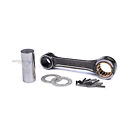
( Brand: Hot Rods ), ( Manufacturer Part Number: 8152 ), ( Part Type: Rod ), ( Fits: 1994 1995 1996 1997 1998 1999 2000 ), ( Compatible Model: Vmax 600/vmax 700/vx500/vx 600/ex 570 Exciter ), ( Compatible Make: Yamaha 1987 1988 1989 1990 1991 1992 1993 )
Review HOT RODS Connecting Rod Yamaha V max fits VX500 600 500 1987–2000
Yamaha V-Max 600, 500, and VX500 1987-2000 8152 Connecting Rod: Power and Precision
The Yamaha V-Max, 500, and VX500 motorcycles, released between 1987 and 2000, have been iconic models in the motorcycling world, renowned for their raw power and captivating design. One crucial component that contributes significantly to the performance of these machines is the connecting rod. In our discussion, we'll come to understand the unique features and benefits of the 8152 connecting rod designed for these engines.
The 8152 connecting rod, designed specifically for Yamaha's V-Max, 500, and VX500 motorcycles from 1987-2000, is an essential part of the engine's combustion process. Similar to the piston, it converts the linear motion of the exploding fuel into rotational energy, which in turn drives the crankshaft and ultimately, the wheels.
Made from premium materials, this connecting rod is engineered to withstand the rigorous forces generated during operation. Forged from high-strength alloy steel, it boasts an impressive tensile strength, ensuring a long service life. The forging process also results in a more uniform and dense material structure, reducing the likelihood of rod-bearing and other wear-related issues.
To further enhance its performance, the 8152 connecting rod features an optimized design for the specific engine configurations of each motorcycle. This involves precise machining and balancing techniques to minimize reciprocating mass and harmonize the piston and rod movements, leading to smoother engine operation and improved power delivery.
Another crucial aspect of this connecting rod design is its outstanding resistance to fatigue failure. Engineers have implemented a shot-peened surface finish, which increases fatigue strength and durability. This innovative technique involves blasting the surface with small metal beads, inducing compressive stresses that resist the formation of cracks.
Lastly, the 8152 connecting rod is designed with a modern four-bolt lacing pattern, which provides enhanced rod-to-crankshaft joint performance. Compared to traditional three-bolt designs, the increased bolting interface enhances oil flow and improves the transfer of torque and power. The result is improved engine efficiency, longevity, and overall reliability.
In conclusion, the 1987-2000 Yamaha V-Max, 500, and VX500 motorcycles 8152 connecting rod offers a perfect blend of high-performance materials, precision engineering, and innovative design features. Its robust structure, outstanding fatigue resistance, and optimized engine compatibility make it an essential upgrade for enthusiasts seeking the best power and overall driving experience for their motorcycles.
This 8152 connecting rod represents a significant investment in the longevity and performance of these iconic motorcycles. It is not just an engine component it is the unseen hero that powers your ride, taking every explosion and transferring it into forward motion, reminding us of the exhilarating experience that these classics have always been known to deliver.
Buying a 1987-2000 Yamaha V-Max 8152 connecting rod has its own set of advantages and disadvantages for those considering upgrading their motorcycle engine. Knowing these pros and cons can help you make an informed decision.
Pros:1. Durability: The 8152 connecting rod is known for its robustness and high-strength design, making it an excellent option for high-performance applications or racing.
2. Enhanced Power: Upgrading to a 8152 connecting rod can lead to increased horsepower and torque, contributing to better engine performance.
3. Versatility: These rods are compatible with various V-Max and VX500 models, providing a cost-effective solution for upgrading multiple motorcycles within a fleet.
Cons:1. High-Performance Requirements: Installing a 8152 connecting rod often necessitates other modifications, such as a high-performance crankshaft, pistons, and camshaft, to ensure compatibility and optimal engine performance.
2. Cost: Replacing the connecting rod in the V-Max and VX500 series can be expensive due to the specialized nature of these rods. Not only are you investing in the connecting rod itself, but most likely the installation of additional components for compatibility.
3. DIY Difficulty: Although poorly documented, the process of replacing the connecting rod on a V-Max or VX500 can be challenging for some DIY mechanics as it involves disassembling the engine and requires precision during installation.
Conclusion:Considering the potential power gains and durability advantages, upgrading to a 1987-2000 Yamaha V-Max 8152 connecting rod can be an enticing proposition for riders looking for improved engine performance. However, it is essential to be aware of the costs involved, the potential necessary engine modifications, and the complex installation process. Evaluate your skills, budget, and goals carefully before making this upgrade to avoid any unexpected challenges or expenses.
Recommendation:For those riders strictly seeking better engine performance and are willing to invest time, money, and effort, upgrading to a 8152 connecting rod could be a worthwhile endeavor. However, if you're on a limited budget, lack the necessary mechanical expertise, or prefer a more straightforward solution, it might be more prudent to explore alternative performance upgrades or factory modifications within your current engine configuration.
Details:
Please verify your junk bulk mail folder as our e-mail reply may end up in there.
Satisfaction guaranteed before opening a request.
41 Hot Rods connecting rod fits on: Yamaha v-max to 1999 vx 2000 ex 570 exciter 1987 1993.
Shipping charges listed above apply to the continental us.
part #: 8152 prices
- $17.00-$44.95
specifications enginesnowmobile:
- for models: Vx500, 600, 500
- for makes: Yamaha
- for years: 1987-2000
- brand: Hot Rods
- mpn: 8152
- part type: Rod
- fits: 1994 1995 1996 1997 1998 1999 2000
- compatible model: Vmax 600/vmax 700/vx500/vx 600/ex 570 Exciter
- compatible make: Yamaha 1987 1988 1989 1990 1991 1992 1993
Offer enginesnowmobile:
- quantity: 2
- best offer: false
- Sold: 0
- bids: 0
- Started: March 14, 2017, 2:51 am
General enginesnowmobile:
- motors > partsaccessories > snowmobile partsaccessories > snowmobile engines components
- condition: New
- in stock: Yes
Seller enginesnowmobile:
- city: Champlain, New York
- zipcode: 12919
Ratings:
- Excellent communication, Excellent seller Fast shipping A 03-13-17
- Exactly as described. 03-14-17
- fast shipping thank you 03-13-17
- Perfect, thank you 03-13-17
- as advertised fast shipping thanks 03-13-17
Shipping enginesnowmobile:
- handling: 1 days
- type: Flat
- cost: $0.0
Returns enginesnowmobile:
- type: Money Back
- paid by: Buyer
- details: All return merchandise must have an authorization number prior to return. Product must be in original package in new re-saleable condition
- policy: returns accepted
- time: 30 Days
Payments enginesnowmobile:
- PayPal
Hot Rods 8152 Is Similar To:
- 8178 Hot Rods Connecting Rod (92.9% similar) Q: is local pick-up available. Features important: be sure to 'more' if present in the 'important part details' column list of matching vehicles for a full view any notes that may affect fitment on your vehicle. Protectorates. Q: what is the shipping cost. The offered shipping cost in listing ...(August 31st, 2018)
- Triple 650 Cr102 Mag Kit Indy Polaris Rods Hot Nos Rod 600 (37.2% similar) Nos Hot Rods rod kit for Polaris snowmobiles fits mag side or of crankshaft on Fuji motor LC triples Indy le, SE, Saks EC60PL 01, 02 Indy Rx, Saks EC65PL 01, 05, 06, EC650 Pele 05 no longer available one only...(February 28th, 2015)
- Rod Triple Cr117 Grand Mach Side Doo 809 Kit Pto 779 Hot Rods Ski Touring (29.7% similar) ...(February 28th, 2015)
- Bsddyp8hgn Hot Rods Polaris Crank Shaft Assembly Dragon Rmk (36.8% similar) 2008 Polaris dragon Mk 700 163IN. With the quality that Hot Rods brings to the table its not possible to find a substitute, so get Hot Rods crank shaft assembly while its available or risk missing out on the best performance parts available. New condition...(May 3rd, 2022)
- Hot Rods 4403 Crankshaft Assembly (32.8% similar) Actual product may differ from the item shown in photograph. Ready for installation. Photos are for reference only. Crankshaft is completely rebuild able with genuine Hot Rods connecting Rods. All new assembly sold complete with Hot Rods connecting rod. Factory assembled and trued to oem ...(December 20th, 2023)
- Hot Rods 8189 Connecting Rod Kit 8189 Polaris (62.2% similar) Sold individually. Uniquely designed big end uses strategically located side scalloping vent slots to minimize high rpm bearing race distortion. Thrust washers are manufactured from bronze phosphor and silver coated. Crank pins are manufactured from Hot-rolled ATM 4115 and case hardened to 58-62RC. ...(January 2nd, 2025)
- Hot Rod Sled Parts Hrss1-414 Ski-doo 414 Profile Tra-3 Clutch Ramps 3-pack 800 R Etec (21.2% similar) These came with a group of 800 etc clutches and clutch parts inventory. Please see the reference/comparison pics. These have very light use and match the 414 profile. The HRSS1 ramps also downshift incredibly well. Free shipping lower 48...(January 11th, 2025)
- Hot Rods 8188 Connecting Rod Kit Pol 9230326 0923-0326 421-8188 871306 Hds8188 (43.4% similar) Small ends are double drilled to supply extra lubrication and cooling the wrist pin bearing, which is especially important when piston crown close bearing. Made in the USA Polaris 600 switchback 2008 . Hot Rods, connecting rod compatible with/replacement for Polaris 600 pro ride rush 10 Mk 144 10-...(March 18th, 2025)
- Hot Rods Crbpl-010w Hotrods Inc Plain Crank Bearing 1.490-1.494mm White (31.7% similar) Actual product may differ from the item shown in photograph. To complement Hot Rods full line of heavy duty factory replacement and striker crankshafts are complete main bearing seal kits. Main bearing and seal kits are built to the highest quality standards that meet or exceed those of factory. ...(March 23rd, 2025)
- Hot Rods 8623 New Connecting Rod For Polaris 800 Twins 00-05 Slx 1200 00-01 (44.7% similar) Total-power-parts retains the right to refuse any request made by you. The cost of foreign products and services may fluctuate. This will usually be total power parts or may in some cases a third party. New Hot Rods connecting rod for Polaris 800 twins 00-05 DLX 1200 00-01 8623 menu. Unit type ...(April 14th, 2025)
- Hot Cams 4qgcbq5b0c Cam Shaft Timing Chain For Yamaha Venture 500 07-17 (26.3% similar) Hot cams is the leader of innovating design and development for aftermarket high performance cam shafts valve shim kits. Any fitment provided is for us spec model's. The cam chain plays an important part in engine control and helps achieve accurate combustion process. Silent chain, premium material ...(May 1st, 2025)