SKI-DOO 404110400 Carburetor Jet Needle
fits model: 380, 500, 600, Skandic. make: Ski-doo. year: 1996–2003.
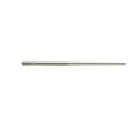
( Manufacturer Part Number: 404110400 ), ( Part Type: Jet Carburetor ), ( Warranty: 90 Days ), ( Custom Bundle: No ), ( California Prop 65 Warning: Motor Vehicles Contain Fuel, Oils And Fluids, Battery Posts, Terminals And Related Accessories Which Contain Lead And Lead Compounds And Other Chemicals Known To The State Of California To Cause Cancer, Birth Defects And Other Reproductive Harm. These Chemicals Are Found In Vehicles, Vehicle Parts And Accessories, Both New And As Replacements. When Being Serviced, These Vehicles Generate Used Oil, Waste Fluids, Grease, Fumes And Particulates, All Known To The State Of California To Cause Cancer, Birth Defects, And Reproductive Harm. ), ( Genuine Oem: Yes )
Review SKI DOO Carburetor Jet Needle fits SKANDIC 380 500 600 1996–2003
Replacement Carburetor Jet Needle for 1996-2003 Skandic 380, 500, and 600 by Ski-Doo
Introduction:If you own a Ski-Doo Skandic 380, 500, or 600 model from the year 1996 to 2003 and are experiencing issues with your snowmobile's performance, it may be time to replace the carburetor jet needle. The jet needle plays a crucial role in the proper functioning of your snowmobile's carburetor by regulating the fuel-air mixture. This product description provides a detailed explanation of the 404110400 jet needle designed specifically for your Ski-Doo Skandic model.
Product Overview:The 4041017 Dual Range Jet Needle 404110400 is precision-engineered by Ski-Doo, the leading manufacturer of snowmobiles and related parts. This jet needle is a direct factory replacement for the 1996-2003 Skandic 380, 500, and 600 models. The jet needle is a critical component of your snowmobile's carburetor, and its replacement is essential for maintaining optimal performance and efficient fuel consumption.
Product Features:1. High-quality Material: The 404110400 jet needle is made from premium materials to ensure durability and longevity. It is designed to withstand the rigors of snowmobiling while providing accurate metering of the fuel-air mixture.
2. Precise Fit: This jet needle fits securely and precisely into your Skandic's carburetor, ensuring a perfect seal and proper functionality.
3. Improved Performance: A worn-out or incorrect jet needle can drastically affect your snowmobile's performance. Replacing it with this OEM (Original Equipment Manufacturer) part guarantees a restoration of your snowmobile's original performance.
4. Easy Installation: This jet needle is straightforward to install, making it an excellent choice for DIY enthusiasts. Follow the instructions provided in your Skandic 380, 500, or 600's service manual to ensure a successful installation process.
5. Reliable: Ski-Doo is a trusted brand with a long-standing reputation for manufacturing top-tier snowmobile parts. The 404110400 jet needle is no exception, delivering reliable and consistent performance.
Conclusion:The 404110400 carburetor jet needle for 1996-2003 Ski-Doo Skandic 380, 500, and 600 models is a crucial component that directly impacts your snowmobile's performance. By ensuring a proper fuel-air mixture, you will notice improvements in power delivery, fuel efficiency, and overall riding experience. Replacing a worn-out or incorrect jet needle with this OEM part guarantees a precise fit, efficient fuel consumption, and worry-free snowmobiling.
Product: Carburetor Jet Needle (404110400) for 1996-2003 Ski-Doo Skandic 380, 500, 600
Pros:1. Availability: This jet needle is specifically designed for Ski-Doo Skandic 380, 500, and 600 models between 1996 and 2003. This ensures a perfect fit and eliminates the need for any modification.
2. Improved Performance: Replacing a worn-out or malfunctioning jet needle can lead to improved engine performance. A new jet needle ensures proper fuel mixture for better combustion, smoother idle, and better overall performance.
3. Easy to Install: Installing a new jet needle is generally a straightforward process and does not require any extensive mechanical skills or knowledge. The process typically involves removing the old needle, cleaning the carburetor, and installing the new needle.
4. Cost-effective Solution: Compared to other repairs or upgrades, a jet needle replacement is a relatively inexpensive solution for improving the performance of your Ski-Doo.
Cons:1. Cost: The cost of a new jet needle can add up, depending on the repair shop or location. While it's not an expensive part, the overall cost of labor and the part itself can be a deterrent for some.
2. Minimal Improvement: Jet needle replacement may not result in significant improvements if the carburetor or other parts are in poor condition. It's essential to ensure that other parts are in good working order before investing in a new jet needle.
3. Potential for Misfueling: While using the correct jet needle for your Ski-Doo model is essential, misfueling using the incorrect jet needle can lead to engine damage or poor performance. Always double-check that the jet needle you are purchasing is the correct one for your specific model and year.
Conclusion:In conclusion, replacing a worn-out or malfunctioning jet needle (404110400) on a 1996-2003 Ski-Doo Skandic 380, 500, or 600 is an essential maintenance task to maintain optimal engine performance. The pros of this upgrade include better fuel mixture and combustion, smoother idle, and improved overall performance. However, the cons include potential costs and minimal improvement if other parts are not in good condition. To ensure the best possible outcome, always double-check that you are using the correct jet needle and consider performing a thorough inspection of your Ski-Doo's carburetor and fuel system before replacement.
Recommendation:If you are experiencing issues with your Ski-Doo's engine performance, a jet needle replacement (404110400) may be an appropriate solution. Before making the purchase, double-check that this is the correct part for your specific model and year. Once you have confirmed that, consider working with a professional mechanic to ensure proper installation and optimize other potential areas of concern within your Ski-Doo's fuel system. This approach will likely lead to the greatest improvement in your Ski-Doo's overall performance while minimizing the potential need for future repairs.
Details:
part #: 404110400 prices
- $51.89-$71.96
specifications enginesnowmobile:
- for models: 380, 500, 600, Skandic
- for makes: Ski-doo
- for years: 1996-2003
- mpn: 404110400
- part type: Jet Carburetor
- warranty: 90 Days
- custom bundle: No
- california prop 65 warning: Motor Vehicles Contain Fuel, Oils And Fluids, Battery Posts, Terminals And Related Accessories Which Contain Lead And Lead Compounds And Other Chemicals Known To The State Of California To Cause Cancer, Birth Defects And Other Reproductive Harm. These Chemicals Are Found In Vehicles, Vehicle Parts And Accessories, Both New And As Replacements. When Being Serviced, These Vehicles Generate Used Oil, Waste Fluids, Grease, Fumes And Particulates, All Known To The State Of California To Cause Cancer, Birth Defects, And Reproductive Harm.
- genuine oem: Yes
Shipping enginesnowmobile:
- cost: $0.0
- type: Flat
- handling: 3 days
General enginesnowmobile:
- in stock: Yes
- Engines Components > Snowmobile Engine Components
- condition: New
Ratings:
- Great! 12-13-18
- perfect fit fixed my problem!! 12-13-18
- AAA seller 12-13-18
- No complaints. 12-13-18
- Just what I needed. Shipped fast. Thank you! 12-13-18
Offer enginesnowmobile:
- quantity: 100
- Started: December 13, 2018, 7:54 am
- best offer: false
- Sold: 0
- bids: 0
Seller enginesnowmobile:
- rating 12-13-18: 99.6%
- zipcode: 48471
- city: Sandusky, Michigan
- # feedbacks 12-13-18: 309552
Payments enginesnowmobile:
- PayPal
Returns enginesnowmobile:
- policy: returns accepted
- time: 60 Days
- paid by: Seller
Ski-doo 404110400 Is Similar To:
- 420923595 420923595 Ski-doo 09 550 Fan (17.1% similar) ...(January 23rd, 2018)
- 504151767 Lid 0800371005 504151767 0800371005 Ski-doo Chaincase (28% similar) I am selling a ski-doo chain case lid this part came off running sled that we parted out...(November 15th, 2017)
- 0000 Ski-doo 1995 95 Ski (29.9% similar) ...(April 3rd, 2017)
- 000000 Ski-doo Skidoo Snowmobile Xp (30.8% similar) ...(July 29th, 2017)
- 003sds600apgk Spi Winderosa 2003 Ski-doo (19.3% similar) Brand new top end rebuild kit. Features machined, smooth piston crowns for reduced carbon buildup, increased horsepower and fuel economy. Hard anodized crowns are 75 stronger than non-anodized, providing minimal expansion and reducing the chance of cold seizures when combined with Teflon molybdenum ...(August 6th, 2017)
- 008ssua600drtek Spi Winderosa 2008 Ski-doo (21.2% similar) Features machined, smooth piston crowns for reduced carbon buildup, increased horsepower and fuel economy. Pistons are for the standard bore 72MM. MOS2 Teflon molybdenum coated skirts perform at the highest standards, reducing friction and heat for added power longevity. Hard anodized crowns are 75 ...(October 9th, 2017)
- 01.5699.00 Pro X Ski-doo Piston (35.1% similar) A set of pistons for skid 600 twin. Make sure it fit your snowmobile before biding...(February 16th, 2018)
- 013sxrs6etek Spi Winderosa 2013 Ski-doo (31.7% similar) Hard anodized crowns are 75 stronger than non-anodized, providing minimal expansion and reducing the chance of cold seizures when combined with Teflon molybdenum coated skirts. Sip pistons feature the following: high-silicon content hyper eutectic cast aluminum material for less heat expansion, ...(February 17th, 2018)
- Magneto Flywheel Magnets 340 Ski 0212416034 Tnt Doo 1976 Wheel Fly Rotor Bosch (21.5% similar) Has been media blasted clean. We answer all questions. They may not be clean. 1 mile south of town on m 19. They may have some dents, scratches, cracks and or missing pieces. Our address is. Magnets have pull. They may need some repairs. West side of the road. They will not look like new parts. They...(February 19th, 2015)
- 0221500800 Ski-doo Coils 6 Nordic Olympique Rotax Elan Vintage 70 Engine Tnt (23.5% similar) These are sold as is. Will get parts as pictured. Check pictures to make sure you are OK with condition before buying. They do not look melted or anything so I think all or most should work. May fit others also. Used parts are normally dirty so expect them to have some grease, grime and or rust on ...(March 3rd, 2015)
- 023sdl600setek Spi 2002-2003 Ski-doo Legend (20.9% similar) MOS2 Teflon molybdenum coated skirts perform at the highest standards, reducing friction and heat for added power longevity. Pistons are for the standard bore 76MM. Includes 2 sip pistons, rings, wrist pins, cir clips, pin needle bearings, and a top end gasket kit. Features machined, smooth piston ...(February 12th, 2018)