YAMAHA 275-22123-00 Rear Bar Bushing Nos RT1 RT2 RT3 DT1 DT2 DT3
fits make: Yamaha.
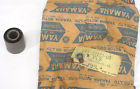
( Manufacturer Part Number: 275-22123-00 ), ( Part Type: Bar Bushing ), ( Country/region Of Manufacture: Japan )
Review YAMAHA Genuine Rt1 Rt2 Rt3 Dt1 Dt2 Dt3 Rear Tension Bar Bushing Nos
The Yamaha RT1, RT2, RT3, DT1, DT2, and DT3 rear bar bushings (part numbers 275-22123-00) are essential components for maintaining the optimal performance and handling of your Yamaha ATV or SxS. These bushings are designed specifically for Yamaha's RT, DT models and provide a critical connection between the frame and the rear axle, ensuring a secure and stable ride.
The rear bar bushings are made of high-quality, durable material that is resilient to wear and tear. The bushings feature an inner diameter that perfectly fits the corresponding axle shaft, while their outer diameter fits snugly within the frame. This precision fitment ensures a secure connection, reducing vibrations and providing excellent shock absorption.
The use of bushings instead of traditional bolted connections provides several advantages over a bolted joint. First and foremost, bushings absorb the shock and forces generated during operation, reducing the stress on the frame and other components. This leads to a smoother, more comfortable ride for the operator, and extends the life of the ATV or SxS.
Another advantage of rear bar bushings is their ability to prevent rust and corrosion. The bushings are sealed, protecting the inside from the elements, and their durable material is resistant to rust and corrosion, which is especially important for off-road riding.
When it comes time to replace the rear bar bushings on your Yamaha ATV or SxS, choose the genuine Yamaha OEM part number 275-22123-00. These bushings are engineered and manufactured to meet the exacting standards of Yamaha, ensuring a perfect fit and optimal performance.
Installing the rear bar bushings is a straightforward process. Old bushings can be removed using a press or by tapping them out with a hammer and a drift, while the new bushings can be pressed in or installed using a bit of lubricant. There are numerous tutorials and guides available online that can walk you through the process step-by-step.
In summary, the Yamaha RT1, RT2, RT3, DT1, DT2, and DT3 rear bar bushings (part numbers 275-22123-00) are an essential component for ensuring the optimal performance, durability, and comfort of your Yamaha ATV or SxS. Their precision fitment, shock absorption properties, and resistance to rust and corrosion make them a worthwhile investment for all Yamaha owners, and their easy installation process makes them a great DIY project for the weekend mechanic.
Pros and Cons of Buying Yamaha RT1, RT2, RT3, DT1, DT2, DT3 Rear Bar Bushings (275-22123-00)
Introduction:Replacing worn-out bushings is an essential part of maintaining a motorcycle. Yamaha RT1, RT2, RT3, DT1, DT2, and DT3 models share a common rear bar bushing part number (275-22123-00). In this article, we'll discuss the pros and cons of purchasing these rear bar bushings for your Yamaha motorcycle.
Pros:1. Improved handling: Worn-out bushings can cause sloppy and imprecise steering. Installing new bushings will ensure a tighter, more responsive ride.
2. Reduced noise: Worn-out bushings can lead to excess noise. Replacing them with new ones will help minimize the noise and create a quieter riding experience.
3. Increased comfort: Worn-out bushings can lead to a harsh ride. New bushings will provide a smoother, more comfortable ride.
4. Longer motorcycle life: Neglecting to replace worn-out bushings can lead to further damage to the frame and other components. Replacing them promptly can help extend the life of your motorcycle.
Cons:1. Cost: Replacing all six bushings can be a pricey investment. Depending on where you buy them, the cost may range between $30 to $50 or more.
2. Labor costs (if professional installation is required): Installing the new bushings yourself can save you money. However, if you need professional installation, the labor costs may add up.
3. Possibility of damaging other components during removal: When removing the old bushings, there is a risk of damaging other components, such as paint or wires, particularly if you are not careful.
Conclusion:The decision to purchase Yamaha RT1, RT2, RT3, DT1, DT2, and DT3 rear bar bushings (275-22123-00) depends on your individual circumstances. If your motorcycle's handling, noise, or comfort have been affected by worn-out bushings, and you are willing and able to invest the money, it may be worth considering. If you are an experienced motorcycle owner who is confident in their ability to install the bushings themselves, the pros far outweigh the cons. However, if you are unsure of your abilities or have limited funds for the purchase, it may be best to prioritize other repairs or maintenance tasks. Ultimately, the choice is yours, but replacing the bushings can result in a more enjoyable, safer, and longer-lasting riding experience.
Recommendation:If you have the financial means and the skills to install the bushings yourself, purchasing Yamaha RT1, RT2, RT3, DT1, DT2, and DT3 rear bar bushings (275-22123-00) is a worthwhile investment. The benefits in terms of improved handling, reduced noise, increased comfort, and extended motorcycle life can make a significant difference in your riding experience. If, however, you lack the confidence or the resources, you may wish to consider seeking professional help or waiting until you are more experienced or have the funds available. Ultimately, investing in new rear bar bushings is an investment in the safety, performance, and longevity of your motorcycle.
Details:
This is not normal, very rare, there are usually no problems, but it does happen.
These are not included in the item price or shipping cost. 1 yn10-12 2 17 please look over all photos carefully and ask any questions before buying.
The only exception to this would be defective items.
Per Yamaha, this will fit the following model's: up for sale is a genuine Yamaha rear wheel axle bushing. It was still sealed in the original packaging from Yamaha but I did open for pictures.
part #: 2752212300 prices
- $5.16-$34.95
specifications enginesnowmobile:
- for makes: Yamaha
- mpn: 275-22123-00
- part type: Bar Bushing
- country/region of manufacture: Japan
Offer enginesnowmobile:
- Sold: 0
- bids: 0
- Started: April 20, 2018, 2:57 pm
- quantity: 1
- best offer: false
Returns enginesnowmobile:
- type: Money Back
- time: 30 Days
- details: Restocking fee: No
- paid by: Buyer
- policy: returns accepted
General enginesnowmobile:
- in stock: Yes
- motors > partsaccessories > snowmobile partsaccessories > snowmobile engines components
- condition: New other see details
Seller enginesnowmobile:
- zipcode: 84047
- city: Midvale, Utah
Payments enginesnowmobile:
- PayPal
Ratings:
- Got it, and it looks great! Can't wait to ride with it, THANKS! 04-14-18
- Oops meant to buy second gear. But listing was accurate! 04-19-18
- Thank you very much for your help 100% recommended 04-14-18
- Gteat Thanks 04-16-18
- Very satisfied. 04-16-18
Shipping enginesnowmobile:
- handling: days
- cost: $0.0
- type: Calculated
Yamaha 275-22123-00 Is Similar To:
- 01-120-39 Kimpex New Nos Kill Switch Yamaha Enticer Gp Gs Et (34.5% similar) New old stock complex part kill switch, handlebar push button mount number: replaces oem:yamaha 8E3 008E3 8R4 008R4 fits:yamaha 1977 ET250A - ELECTRICAL 1977 GP440A GS300A GS340A ELECTRICAL1978 ET250B ET340B EX340B EX440B ELECTRICAL1979 ET250C electrical ET250C1979 2 ET250D E1979 ET300C ET340C ...(December 18th, 2018)
- 109-11631-02-96 Yamaha Nos Vintage Piston Snowmobile (27.8% similar) Nos yamaha piston in original box. Parts number...(July 4th, 2018)
- 140684407968 Nos Yamaha Phazer Piston Pin (41.2% similar) ...(February 15th, 2017)
- 168-11515-00-00 Yamaha Nos Part Crank Labyrinth Seal (29.6% similar) No warranty...(May 6th, 2018)
- 168-11633 2 Nos Yamaha Snowmobile (29.2% similar) 2 new yamaha parts fits: many model's does not fit GPX433 or EX440...(July 21st, 2017)
- 1fk-12590 Yamaha Nos Snowmobile Motorcycle (30.6% similar) V-max EX570 Max...(February 11th, 2018)
- 1l8-13613-00 Yamaha Nos Vintage Valve Reed (40.8% similar) Nos vintage yamaha valve reed part number 1L8 00BAG...(October 7th, 2018)
- 2210p8 Yamaha Wiseco Piston Kit With And Nos (48% similar) I do combine shipping whenever possible. This is a new part for your yamaha. As the calculator can not combine by its self. Also let us know if you are buying on several things...(June 23rd, 2018)
- 275-11631-00-96 Yamaha Nos Vintage Piston Snowmobile (37% similar) Parts number. Nos yamaha piston in original box...(October 7th, 2018)
- 289-11631-00 Yamaha Nos Vintage Piston Snowmobile (34.3% similar) Parts number. Nos yamaha piston in original box...(July 4th, 2018)
- 2a6-11601-00-00 Yamaha New Genuine Piston Ring For Enticer Snowmobiles (50.8% similar) This is 1 ring only. A set of 2 retails for thanks looking. New genuine yamaha standard size piston ring for 1979 entice 340C snowmobiles is missing out of the set...(March 4th, 2019)